
H2benchw kann beim Test eines Laufwerks folgende verschiedene Anwendungsprofile durchspielen: Installieren, Kopieren, Swappen, Photoshop, Word und Antivirus (F-Prot). Mithilfe dieser Profile werden häufig benutzte Anwendungen bzw. deren typischen Lese- und Schreiboperationen in der Praxis simuliert. Aus diesen Einzelwerten wird zudem ein Anwendungsindex berechnet, der Aufschluss über die Overall-Performance des Testprobanden gibt.
| read/write | |
| OCZ Vertex 3 Max IOPS, 240 GB | 322,02 |
| Plextor PX-M2S, 256 GB | 249,09 |
| Intel SSD 510, 120 GB | 204,29 |
| OCZ Vertex 2 Extended, 120 GB | 192,25 |
| Intel X25-M G2 Postville, 160 GB | 186,72 |
| Crucial RealSSD C300, 128 GB | 170,05 |
| Intel SSD 320, 600 GB | 163,76 |
| Intel SSD 320, 300 GB | 163,31 |
| Intel X25-V G2, 40 GB | 159,25 |
| Crucial RealSSD C300, 64 GB | 149,45 |
| Angaben in MB/sec (mehr ist besser) | |
| read/write | |
| OCZ Vertex 3 Max IOPS, 240 GB | 109,18 |
| Plextor PX-M2S, 256 GB | 84,84 |
| Intel SSD 510, 120 GB | 65,52 |
| OCZ Vertex 2 Extended, 120 GB | 60,59 |
| Crucial RealSSD C300, 128 GB | 56,02 |
| Intel SSD 320, 600 GB | 50,38 |
| Intel SSD 320, 300 GB | 49,91 |
| Crucial RealSSD C300, 64 GB | 49,43 |
| Intel X25-M G2 Postville, 160 GB | 43,80 |
| Intel X25-V G2, 40 GB | 35,89 |
| Angaben in MB/sec (mehr ist besser) | |
| read/write | |
| OCZ Vertex 3 Max IOPS, 240 GB | 252,67 |
| Plextor PX-M2S, 256 GB | 190,57 |
| Intel SSD 510, 120 GB | 131,29 |
| OCZ Vertex 2 Extended, 120 GB | 126,30 |
| Crucial RealSSD C300, 128 GB | 121,29 |
| Intel SSD 320, 600 GB | 117,18 |
| Intel SSD 320, 300 GB | 115,08 |
| Intel X25-M G2 Postville, 160 GB | 107,40 |
| Crucial RealSSD C300, 64 GB | 89,72 |
| Intel X25-V G2, 40 GB | 63,47 |
| Angaben in MB/sec (mehr ist besser) | |
| read/write | |
| OCZ Vertex 3 Max IOPS, 240 GB | 247,68 |
| Plextor PX-M2S, 256 GB | 229,94 |
| Intel SSD 320, 600 GB | 160,42 |
| Intel SSD 320, 300 GB | 160,25 |
| Intel SSD 510, 120 GB | 143,88 |
| OCZ Vertex 2 Extended, 120 GB | 130,96 |
| Crucial RealSSD C300, 128 GB | 128,90 |
| Intel X25-M G2 Postville, 160 GB | 110,94 |
| Crucial RealSSD C300, 64 GB | 85,85 |
| Intel X25-V G2, 40 GB | 57,35 |
| Angaben in MB/sec (mehr ist besser) | |
| read/write | |
| OCZ Vertex 3 Max IOPS, 240 GB | 146,43 |
| Plextor PX-M2S, 256 GB | 107,32 |
| Intel SSD 510, 120 GB | 95,43 |
| OCZ Vertex 2 Extended, 120 GB | 89,32 |
| Crucial RealSSD C300, 128 GB | 87,05 |
| Crucial RealSSD C300, 64 GB | 84,45 |
| Intel X25-M G2 Postville, 160 GB | 71,55 |
| Intel SSD 320, 300 GB | 71,43 |
| Intel SSD 320, 600 GB | 71,16 |
| Intel X25-V G2, 40 GB | 66,08 |
| Angaben in MB/sec (mehr ist besser) | |
| read/write | |
| OCZ Vertex 3 Max IOPS, 240 GB | 221,1 |
| Plextor PX-M2S, 256 GB | 179,7 |
| Intel SSD 510, 120 GB | 127,5 |
| OCZ Vertex 2 Extended, 120 GB | 120,7 |
| Crucial RealSSD C300, 128 GB | 114,7 |
| Intel SSD 320, 600 GB | 113,8 |
| Intel SSD 320, 300 GB | 112,7 |
| Intel X25-M G2 Postville, 160 GB | 106,3 |
| Crucial RealSSD C300, 64 GB | 94,9 |
| Intel X25-V G2, 40 GB | 78,6 |
| Angaben in Anwendungsindize (mehr ist besser) | |
Die Lebensdauer eines Smartphone-Akkus über Jahre hinweg hängt weniger von einer perfekten einzelnen Laderegel ab, sondern vielmehr von den Gewohnheiten,...
Was geschieht eigentlich zwischen dem fertigen Schaltplan auf dem Bildschirm und der Platine, die man schließlich in Händen hält? Zwischen...
Ein Kunde will ein KI-Modell trainiert haben, ein Studio rendert eine aufwendige Animation, ein Entwicklerteam braucht für drei Monate eine...
Eine Drohnenbrille verändert die Perspektive grundlegend. Statt das Livebild auf einem Smartphone oder einem Display an der Fernsteuerung zu verfolgen,...
Ein Student aus Münster hat seinen neuen Rechner zusammengebaut, die Grafikkarte sitzt, das Netzteil surrt leise. Beim ersten Start verlangt...
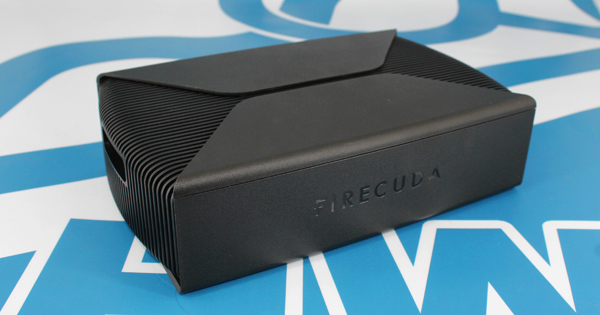
Mit der FireCuda Forge stellt Seagate eine neuartige Storage-Lösung mit USB4-Interface vor. Die Forge vereint HDD-Kapazität mit SSD-Vorteilen und die Technik dahinter nennt sich Alkemi. Wir haben das 8-TB-Drive zum Launch getestet.
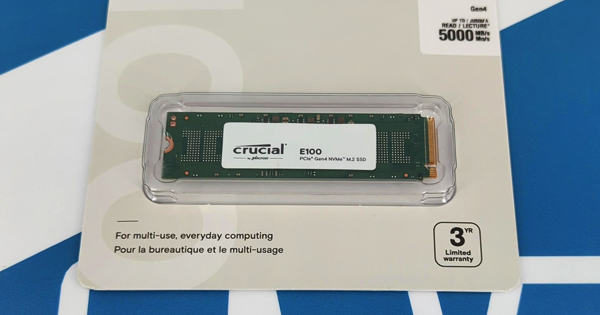
Die E100-SSD von Crucial basiert auf einem PCIe Gen4 Interface und QLC-Flashspeicher von Micron. Die Serie zielt auf Ein- und Umsteiger in die SSD-Welt ab. Wir haben uns das 1-TB-Modell im Test angesehen.
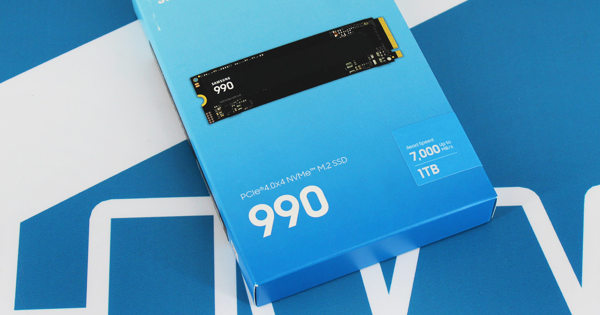
Mit der SSD-990-Familie stellt Samsung eine neue Serie von SSDs für Einsteiger vor. Wie sich die Kombination aus PCI Express Gen4 und QLC-Flashspeicher in der Praxis schlägt, klären wir am 1-TB-Modell.